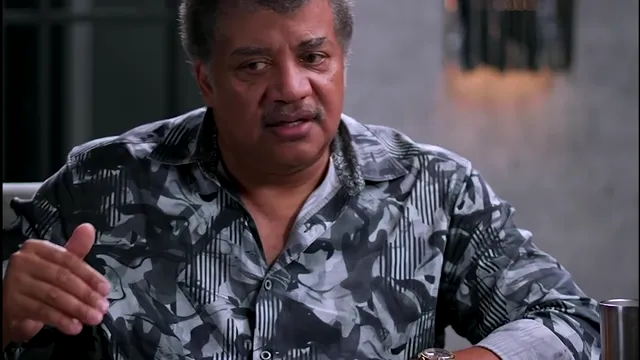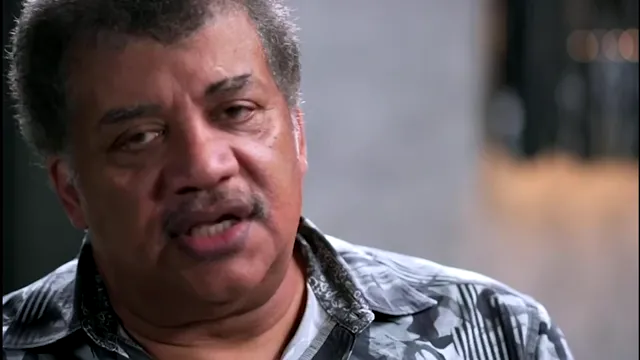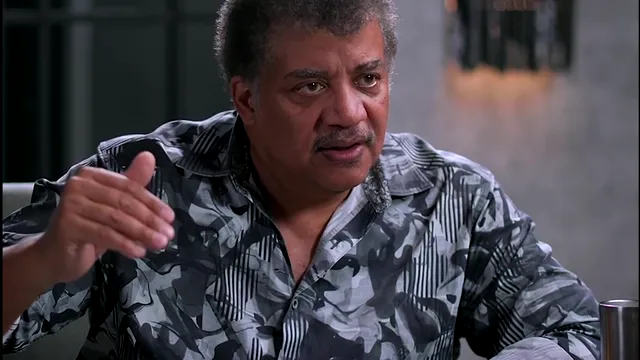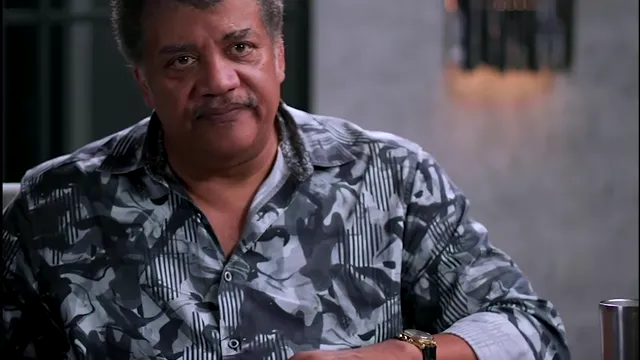
 #122:14–23:04
You’re made of star stuffSuggested
92/10050s · argument
Trim or restyle
Paste a link. It reads the whole recording, ranks every passage that could stand on its own, and shows you the reasoning before it cuts a single one.
What we did with it ourselvesOur own account, not a customer’s — two weeks, one clip a day, posted by hand.
How it choosesA YouTube URL is fetched once, on our side — you never download a six-gigabyte recording in order to upload it again. You confirm you have the rights before it starts.
Paste one nowEvery passage that could stand on its own, ranked, with its score and the sentences that made it a candidate. Nothing has been cut yet, and nothing will be until you say so.
See a real listVertical, captioned, framed on whoever is talking, in the shape the clip asked for. The MP4 lands in your library and stays there.
The shapes it usesMost tools hand you finished files and no argument — you can see what was chosen, never why. This hands you candidates: a frame of each one, four scores, and the reason it is a candidate. Open one and the sentences behind it are there too.
The Diary of a CEO1h 47m18,402 words
#122:14–23:04Ranked, with a frame of each one and the reasoning beside it.
Four sentences, taken whole.
Opens on a flat contradiction and resolves it inside the same passage. Nothing earlier in the episode is needed to follow it.
A podcast and a gameplay stream have the same transcript — a person talking — so the words cannot tell them apart. Each clip is watched instead, and what the frame should be made of follows from what is in it.
Five shapes, and it takes the one this clip earns
Kept for as long as your plan says.
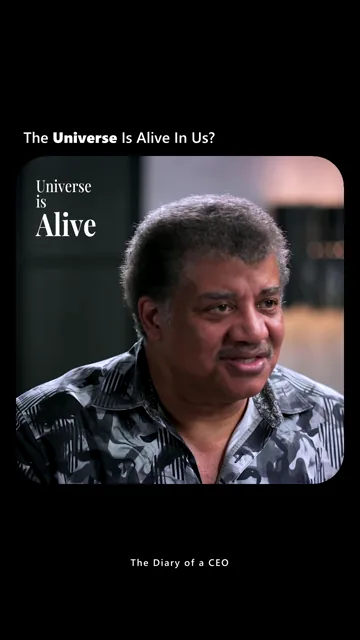
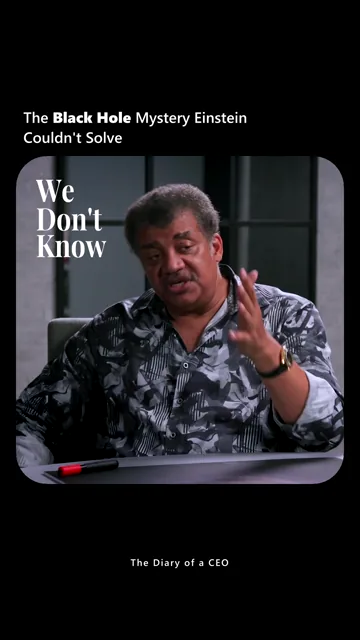
The MP4 is already on your disk.
A banner burned into your source is found and cropped out — real footage is never perfectly still, a graphic pasted on top always is.
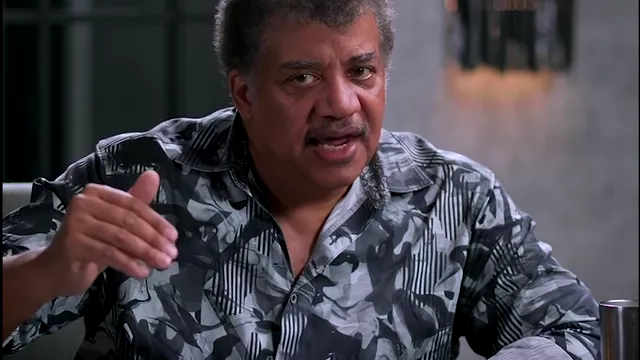
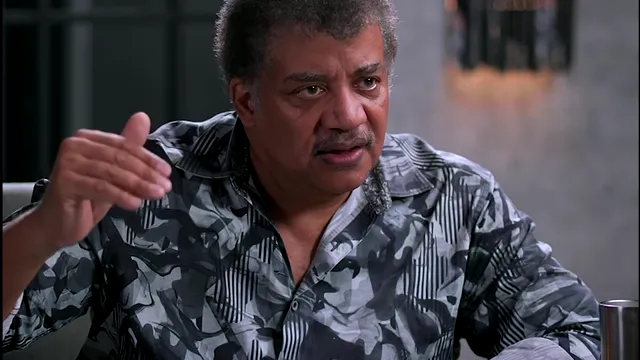
Ten seconds of each, playing at once. A published episode, an hour and forty-nine minutes of it, exactly as it went in — and two of the files that came back out of the render: different passages, different shapes, nothing added here for the picture.
Neil deGrasse Tyson: The Whistleblowers Were Right About Aliens
The Diary Of A CEO · 1:48:50 · on YouTube
Boxed 1:1 in front, Full 9:16 behind it
20s and 1:30 — two passages, two of the five shapes.
Four kinds of video, and a different reason it works on each.
Two hours of talk with four minutes worth cutting somewhere inside it. This is the material the ranking was built and tested on.

A camera composited over a screen is a shape it knows: the webcam kept as a circle where it already was, or moved to the top with the game filling the rest.
The passage that answers the question people actually turned up for, found without anybody scrubbing a timeline for it.

Over thirty languages, Italian included. The ranking reads the transcript rather than the audio, so it works wherever the transcription does.
Auto-clippers give you finished files and no argument: fast, and impossible to disagree with. Editing it yourself gives you every decision, at an hour a clip. This is the third option.
Every candidate scored on named pillars
The reasoning shown before the cut
Only the seconds you keep are downloaded
The whole recording ranked, back half included
Cuts land on whole sentences
The intro excluded before ranking
Nothing cut until you approve it
The frame follows whoever is talking
A finished MP4 in a house style
Minutes per clip, not an hour
| Capability | InTheClips | Auto-clippers | Editing it yourself |
|---|---|---|---|
| Every candidate scored on named pillars | |||
| The reasoning shown before the cut | |||
| Only the seconds you keep are downloaded | |||
| The whole recording ranked, back half included | |||
| Cuts land on whole sentences | |||
| The intro excluded before ranking | |||
| Nothing cut until you approve it | |||
| The frame follows whoever is talking | |||
| A finished MP4 in a house style | |||
| Minutes per clip, not an hour |
The cheapest paid plan at each of the five tools this page has just compared itself to, averaged. Read off their own pricing pages on 2 September 2026, with every billing switch set to monthly.
Opus Clip · Descript · Submagic · Klap · Vizard
240 credits a month — 4 hours of video
That compares the price on the door and not what is behind it, on purpose. Those five meter in credits, media hours, clips and two-minute videos — four different units, only one of them the same as ours — so any table of hours-per-dollar across them would be conversions we invented. What each one actually meters is a page of its own, and it sends you to their site for the figure rather than reprinting it here.
A plan buys minutes of video read a month. The clips rendered out of them are never metered — export as many as the recording has in it.
You give it one long recording — a podcast, an interview, a stream. It transcribes the whole thing, ranks every passage that could work as a short on its own, and shows the score and the sentences behind each one. You keep the ones you want, and it cuts those into vertical clips with captions.
Yes. It fetches the video once, so you never have to download a six-gigabyte recording just to upload it again. You confirm you have the rights to use it before it starts, and that confirmation is recorded with the import.
Over thirty, Italian included. The ranking reads the transcript rather than the audio, so it works wherever the transcription does, and captions are timed word by word in the same language.
Two hours per video on Starter, four on Creator and Studio. A longer one is not refused: it reads as many minutes as your plan includes and you choose which part of the recording those are, before the upload starts. Clips are kept seven days on the free trial, ninety days on Starter, a year on Creator and indefinitely on Studio — set by the plan you were on when the clip was made, so cancelling later does not shorten it.
No. Nothing is published anywhere on your behalf. The finished MP4 sits in your library until you download it and post it yourself.
Thirty minutes of video, free, with no card. It is a one-off trial rather than a monthly allowance, so it does not renew — thirty minutes is one half-hour recording and every clip you can cut out of it.